Staying active in later life doesn’t have to mean running miles or lifting heavy weights. For many older adults, “light exercise” looks more like a short walk, gentle yoga, a few sit-to-stands from a sturdy chair, or some stretching and balance practice.
And here’s the encouraging truth: even light movement can help—especially when it’s done consistently.
Below is an evidence-based look at how light exercise supports senior health, along with a simple, safe way to get started.
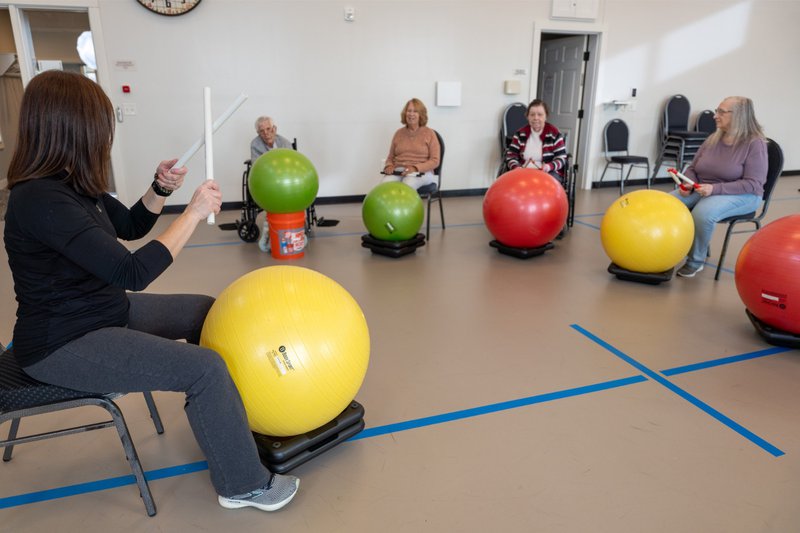
What “light exercise” really means
Light exercise is movement that increases your activity above sitting, but doesn’t feel intense. You can usually talk easily while doing it.
Examples include:
- Easy walking (indoors or outdoors)
- Light gardening or yardwork
- Gentle yoga or stretching
- Seated strength and mobility exercises
- Balance practice (like heel-to-toe walking along a counter)
- Water movement or aqua exercise
If you’re looking for a supportive place to move with guidance, Guardian Angels offers wellness programs for seniors designed with aging bodies in mind.
The big message from public health experts: some is better than none
If you’ve ever felt discouraged by exercise “targets,” you’re not alone.
The World Health Organization (WHO) physical activity guidelines emphasize that older adults who aren’t meeting recommended activity levels still benefit from doing some physical activity. That matters because health improvements don’t start at a perfect weekly goal—they start when we replace a little sitting with a little movement.

Evidence-based benefits of light exercise for seniors
Light exercise supports many parts of health at once—body, mind, and daily function. Here are a few benefits with strong evidence behind them.
Better heart health and lower cardiovascular risk
A large study of older women using activity monitors (so it wasn’t just self-reported exercise) found that higher levels of light physical activity were associated with lower risk of coronary heart disease and cardiovascular disease.
In the study, women in the highest vs. lowest light-activity group had about 42% lower risk of coronary heart disease and about 22% lower risk of cardiovascular disease (after adjusting for multiple health and lifestyle factors). See: JAMA Network Open (LaCroix et al., 2019).
Practical takeaway: A “little more movement” throughout the day—like extra walking around the house, easy errands, or gentle classes—can add up in meaningful ways.
Improved balance and fewer falls
Falls are one of the biggest threats to health and independence as we age.
A major evidence review found that exercise programs reduce the rate of falls in community-dwelling older adults by about 23%. See: Cochrane review: Exercise for preventing falls in older people living in the community.
Many “light” activities help here because they build:
- Leg strength (needed for getting up from a chair)
- Core stability (needed for steady walking)
- Balance reactions (needed when you trip or turn)
If you or a loved one are rebuilding strength after a hospital stay, transitional care can provide therapy and support to help restore mobility safely.
Better sleep and reduced anxiety (even after one session)
Many older adults notice sleep changes with age, illness, stress, or life transitions.
The CDC notes that for adults 65+, a single session of moderate-to-vigorous activity can provide immediate benefits, including improved sleep quality and reduced feelings of anxiety, along with effects such as lower blood pressure. See: CDC: Physical activity benefits for adults 65 or older.
Even if you start with truly gentle movement, many people experience “same-day” benefits like feeling calmer, looser, and more ready for rest.
Greater strength for everyday independence
Light strength and mobility work supports daily life:
- Standing up from a chair
- Carrying groceries
- Stepping into the shower
- Getting in and out of a car
In supportive settings like independent living or assisted living, regular movement opportunities can help residents maintain function longer—so they can keep doing more of what they enjoy.
Support for brain health and mood
Movement supports brain health through circulation, better sleep, and stress reduction.
For individuals living with cognitive change, gentle routines—like walking after meals, stretching, or simple group classes—can also support structure and reduce restlessness. For families exploring care options, Guardian Angels offers memory care in a safe, supportive environment.
A safe, simple “light exercise” starter plan (7 days)
If you’re starting from very little activity, the goal is not to “catch up.” The goal is to build confidence.
Here’s a gentle plan many older adults can adapt:
Day 1–2: Start small (5–10 minutes total)
- 2–5 minutes of easy walking (indoors counts)
- 3 minutes of gentle stretching (calves, hamstrings, shoulders)
Day 3–4: Add a strength “mini-set” (10–12 minutes total)
- Walk 5 minutes
- Sit-to-stand from a sturdy chair: 1 set of 5–8 reps (hold a counter if needed)
- Wall push-ups: 1 set of 5–10 reps
Day 5–7: Add balance practice (12–15 minutes total)
- Walk 5–8 minutes
- Sit-to-stand: 1–2 sets of 5–8 reps
- Balance: stand with feet together near a counter for 10–20 seconds, repeat 2–3 times
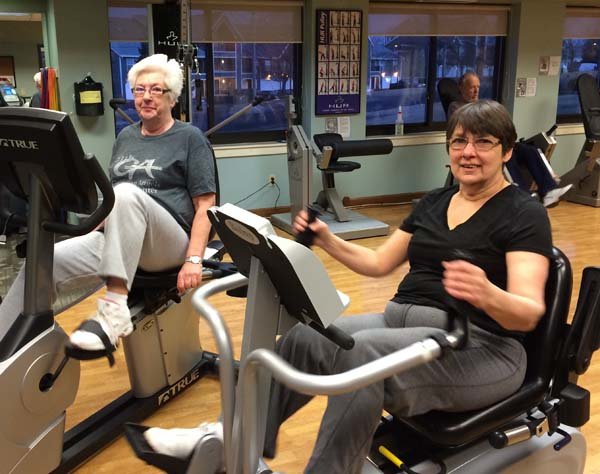
If you prefer guidance and community, you may enjoy senior-focused classes and equipment through GA Wellness Health Club / Gym 365 and our broader wellness programs.
How families can help a loved one stick with it
Consistency matters more than intensity. Families can support success by making movement:
- Easy: a short walk after lunch, not a “workout”
- Safe: good shoes, clear paths, stable chair, grab bars if needed
- Social: movement is easier when it’s shared
- Meaningful: pair it with purpose (walking to the mailbox, gardening, visiting neighbors)
If your loved one needs more than encouragement—like resources, classes, or connection—Thryve exists to help seniors access support wherever they call home.
A faith-based note of encouragement
At Guardian Angels, we believe caring for the body is one way we honor the life God has given us—with gentleness, gratitude, and hope.
If “exercise” feels intimidating, consider reframing it as stewardship: a small daily practice that supports strength, safety, and peace of mind.
When you’re ready, we’re here to help
Whether you’re exploring options for yourself or supporting a parent, you don’t have to navigate healthy aging alone. Guardian Angels provides housing, care, and supportive services across central Minnesota.
To ask questions or schedule a tour/consultation, please reach out here: Contact Guardian Angels.