Across the U.S., more families are looking for senior housing that offers both practical support and a true sense of community. Longer lifespans, changing family dynamics, and rising care needs are all part of the story—but so is a simpler desire: to age with dignity, safety, and connection.
At Guardian Angels Senior Services, we’ve seen that “senior housing” is rarely a one-size-fits-all choice. Needs can shift gradually (a little help with meals or medications) or quickly (a hospital stay followed by rehabilitation). That’s why the industry is expanding housing types, care models, and funding structures—so more older adults can find the right fit at the right time.
Why demand is rising and what it means for families
The growing demand for senior living is not only about more older adults—it’s also about higher expectations. Today’s residents and families want environments that feel welcoming and purposeful, not institutional.
Here’s what families are commonly seeking:
- Housing that reduces home maintenance stress while preserving independence
- Clear care pathways for changing health needs (especially memory support and rehab)
- Predictable costs and transparent pricing
- A community culture that supports emotional and spiritual wellbeing
Guardian Angels has spent more than six decades expanding a full continuum of care rooted in Christian faith and compassion—supporting seniors and families with housing, healthcare, and services designed to honor each person’s dignity. Learn more about Guardian Angels and our mission. (guardianangelsmn.org/about-us)
The senior living options you’ll see most often
Senior housing demand is being met, in part, by offering more distinct “lifestyle options” that align with different levels of independence and care. Guardian Angels offers several of these lifestyle options across our Central Minnesota communities. Explore lifestyle options. (guardianangelsmn.org/lifestyle-options)
How pricing works: what families should know before touring
One reason demand feels so intense is that many families are trying to match care needs with a budget—often under time pressure.
While pricing varies by market and community, senior living costs usually reflect a combination of:
- Housing and utilities (apartment or suite)
- Meals and amenities (dining, activities, wellness offerings)
- Care level and staffing (assistance with bathing, dressing, medication, mobility, etc.)
- Specialized support (memory care programming, therapy services, safety features)
At Guardian Angels, assisted living is built around collaboration and personalized care planning—supporting health, safety, and independence as needs evolve. Learn about assisted living. (guardianangelsmn.org/lifestyle-options/assisted-living)
A note on affordable and income-based housing options
Demand is also rising for senior housing that remains financially accessible. Subsidized or HUD-assisted senior housing can help income-qualifying older adults find secure, maintenance-free living at an income-based rate. Explore subsidized senior senior housing. (guardianangelsmn.org/lifestyle-options/subsidized-housing)
How the industry is responding: capacity, design, and care models
Senior housing providers are responding to demand in several practical ways:
Expanding capacity and adding new communities
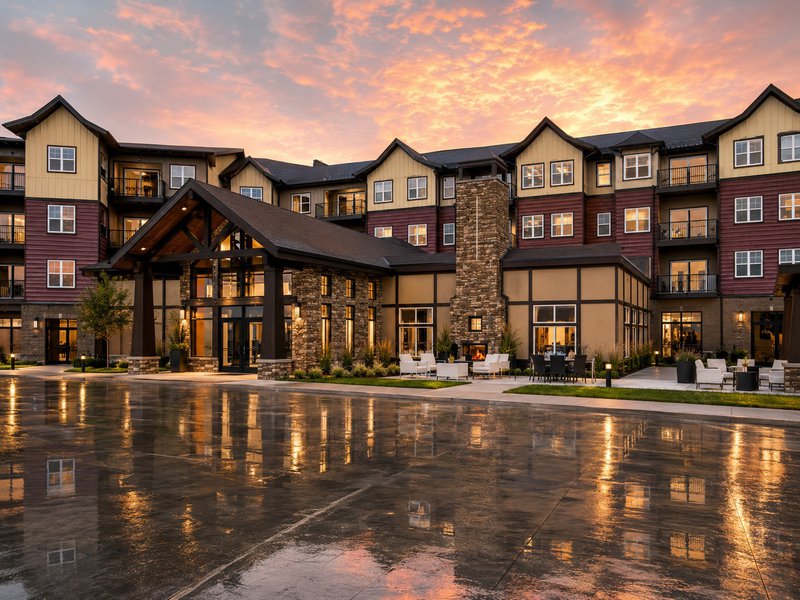
New development and pre-leasing can help address future demand—especially in growing suburban areas. For example, Guardian Angels’ Engel Haus independent living has been announced as now pre-leasing, with an opening planned for Spring 2027. (guardianangelsmn.org/lifestyle-options/independent-living)
Designing communities for safety and belonging
Modern senior living communities often include gathering spaces, walking paths, and wellness features that support the whole person—body, mind, and spirit. Guardian Angels’ independent living communities emphasize maintenance-free living and social connection through shared spaces and amenities. Learn about independent living. (guardianangelsmn.org/lifestyle-options/independent-living)
Strengthening post-hospital pathways through transitional care
As hospitals discharge patients sooner, the need for short-term recovery settings grows. Transitional care is specifically designed to bridge the gap between a hospital stay and returning home with restorative nursing care and therapy, often for short stays (commonly around 30 days or less). Read about transitional care at Guardian Angels. (guardianangelsmn.org/lifestyle-options/transitional-care)

How to choose the right option as needs change
Many families begin with a simple question: “What level of help is needed today?” A better question is often: “What path will support my loved one if needs change next year?”
A practical approach:
- Start with daily living needs (medications, mobility, meals, bathing)
- Consider cognitive support (is memory loss present or progressing?)
- Plan for transitions (what happens after a hospitalization?)
- Ask about the continuum (can care scale up without another move?)
Guardian Angels communities across Central Minnesota offer multiple lifestyle options—helping residents stay connected to familiar caregivers and surroundings as needs evolve. Find a location near you. (guardianangelsmn.org/about-us/service-area)